The Viral Explosion
In recent months, Volume Shader BM has taken social media by storm, particularly on TikTok, where millions of users are sharing their benchmark results and comparing device performances. What started as a technical tool for GPU testing has evolved into a cultural phenomenon, with hashtags like #VolumeShaderBM, #PhoneTest, and #DeviceComparison trending across platforms.
The trend began when tech reviewers and influencers started using Volume Shader BM to test and compare different smartphones, showcasing their results in engaging video formats. Viewers were fascinated by the real-time 3D visualizations and the ability to see their device's performance metrics in action.
Why It Went Viral
Several factors contributed to Volume Shader BM's viral success:
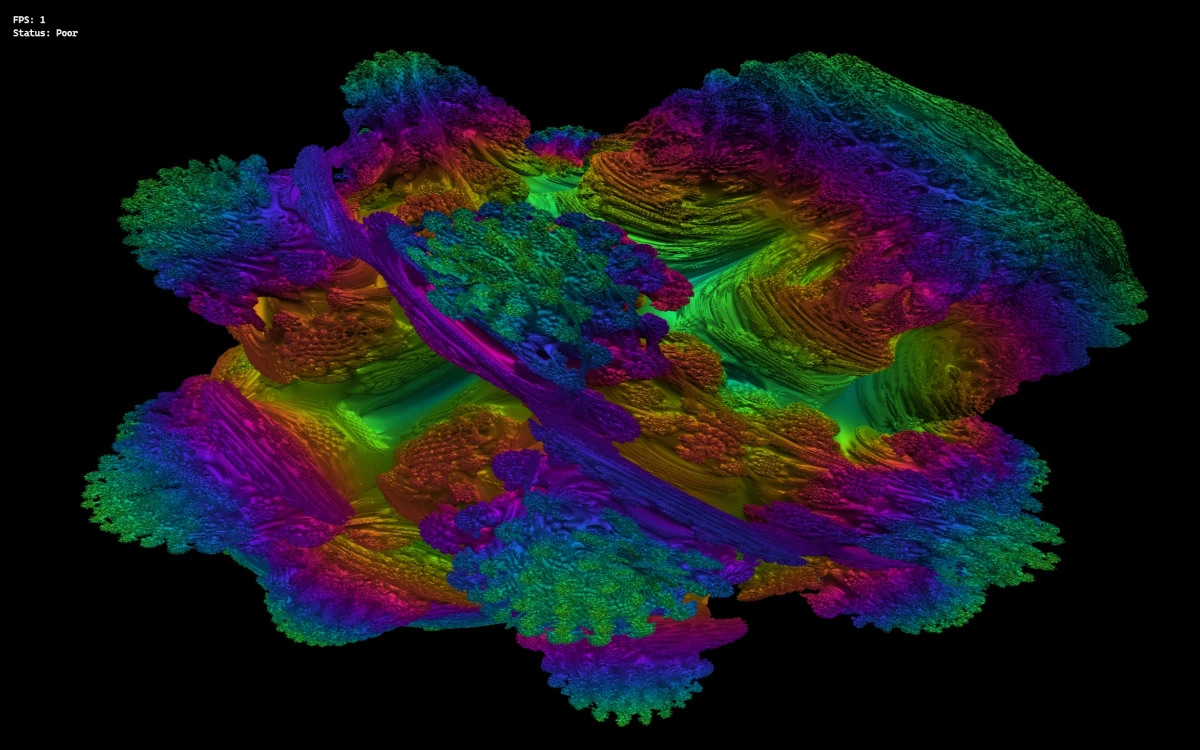
- Visual Appeal: The stunning 3D volume shader visuals are mesmerizing to watch, making for engaging social media content
- Easy Accessibility: No app download required - just visit the website and run the test
- Instant Results: Users get immediate feedback on their device's performance
- Comparison Culture: People love comparing their devices with others, creating a competitive and social element
- Authenticity Testing: Many users discovered they could verify if their phone was genuine or identify performance issues
- Shareability: The test results are easy to screenshot or screen-record and share, creating perfect content for TikTok, Instagram, and Twitter
The TikTok Effect
Videos showing 'before and after' comparisons, device rankings, and surprising results quickly gained millions of views, with users rushing to test their own devices and share their results.
TikTok played a crucial role in popularizing Volume Shader BM. Content creators found that benchmark test videos performed exceptionally well because they:
- Provide immediate value (testing your own device)
- Create curiosity and FOMO (fear of missing out)
- Encourage user participation and engagement
- Generate discussion in comments about device comparisons
- Appeal to both tech enthusiasts and casual users
The Device Comparison Culture
Device comparison culture has created a community of users who share tips, discuss results, and help each other understand what their benchmark scores mean.
Volume Shader BM has tapped into a growing culture of device comparison and performance validation. Users are now:
- Testing multiple devices to find the best performer
- Comparing flagship phones from different brands
- Discovering performance differences between device models
- Identifying potential issues with their devices
- Creating leaderboards and rankings of device performance
Real-World Impact
Beyond entertainment, the viral trend has had real-world impacts:
- Consumer Awareness: Users are becoming more informed about device performance and capabilities
- Problem Detection: Many users discovered performance issues or confirmed device authenticity
- Educational Value: People are learning about GPU performance, WebGL, and device specifications
- Market Transparency: The trend has increased transparency in device performance comparisons
- Community Building: Tech enthusiasts and casual users are connecting over shared interests
The Social Media Formula
Successful Volume Shader BM content on social media typically follows this pattern:
- Hook: Start with an intriguing question or surprising result
- Demonstration: Show the test running on a device
- Results: Display the performance metrics and FPS
- Comparison: Compare with other devices or previous results
- Call to Action: Encourage viewers to test their own devices
Beyond TikTok: Multi-Platform Success
While TikTok was the initial catalyst, Volume Shader BM has spread across all major social platforms:
- Instagram Reels: Short-form benchmark comparison videos
- YouTube: Detailed device reviews and comparison videos
- Twitter/X: Quick result shares and device discussions
- Reddit: Technical discussions and community rankings
- Facebook: Device comparison groups and discussions
The Future of Device Benchmarking
The viral success of Volume Shader BM represents a shift in how people interact with technology. Benchmarking is no longer just for tech professionals - it's become a mainstream activity that helps users:
- Make informed purchasing decisions
- Understand their device's capabilities
- Identify performance issues early
- Participate in tech communities
- Share knowledge and experiences
Join the Trend
Want to see what all the fuss is about? Run the Volume Shader BM test on your device and share your results! Whether you're curious about your device's performance, want to compare with friends, or just enjoy the stunning 3D visuals, there's never been a better time to test your device's capabilities.
Remember to tag your posts with #VolumeShaderBM and join the millions of users discovering their device's true potential!